 We find ourselves in a striking situation where our laws on creative
works differ greatly from the way humankind actually experiences culture.
And the new media, through its extensive connectivity reaching all of us
worldwide, is bringing back the thousands-of-years-old tendency to
celebrate read-write culture, which we had been gradually converting
into a read-only culture over the last century.
We find ourselves in a striking situation where our laws on creative
works differ greatly from the way humankind actually experiences culture.
And the new media, through its extensive connectivity reaching all of us
worldwide, is bringing back the thousands-of-years-old tendency to
celebrate read-write culture, which we had been gradually converting
into a read-only culture over the last century.
Intellectual property
The concept of intellectual property emerged with the printing press. Before that time, copying was a difficult process done manually, mainly by professional scribes or monks in monasteries. The powerful — kings and the church — wanted to preserve their control over written information. All subsequent inventions, such as television, portable storage media (VHS, CD, DVD, diskettes, etc.) made reproducing art progressively easier. And so, particularly over the last hundred years, copyright laws have been put in place worldwide, automatically protecting all produced intangible goods as the exclusive property of their creator.
Culture
Most of cultural goods, such as music, dances, stories and artistic objects, are creative or interpreted products of copies. Especially before mass copying was possible, all culture was being transformed all the time. People were playing music in front of their doors, no radio broadcasting was available. Culture was based on participation of the people, whereas easy copying and broadcasting brought us to a culture of only reproducing and consuming. That’s why culture even became a luxury good and, no wonder, poorer countries, such as Nicaragua, have an estimated “piracy rate” of 82% in 2013 when it comes to Software and it can be assumed to have a similar percentage on music and videos.
Something has changed, and only recently, over the last couple of centuries. And it is worth to ask the question if this is the kind of culture we want?
Artists don’t get rewarded
The principal idea of intellectual property seems to be: ensuring that artists get paid for their work. Yet we can observe very unequal distributions — most artists, talented as they are, working locally can barely make a living from their art. Meanwhile other artists, those constantly consumed by the masses, the ones from the “industry”, are among the wealthiest people in the world. This concentration of money in the hands of few artists, consumed by everyone, inevitably leads to a uniform culture rather than a celebration of the diversity of human expression.
The internet
Now, the World Wide Web has changed the world again — it is once more possible to participate in (digital) culture, and we are witnessing a democratisation of culture. It is important to understand that we are all accustomed to viewing, taking and consuming copyrighted material every day without proper permission: most photos and memes used in social networks or presentation slides are a prime example. There is clearly a need for this free, transformative culture, and the internet could be the medium that allows all of us to actively participate in the evolution of culture.
By default: All rights reserved
We now have all these copyright rules and laws that keep pushing us into the role of passive consumers. Most of the small pieces of art and culture that people create — digitally or in traditional ways — cannot be reused, transformed or shared without the author’s special permission. This constrains our culture at every small step.
Intellectual property law must be renewed, based on the interests of people and a vision of rich cultural development. Imagine a law that protects participatory culture — a culture that is inclusive, preserves local identities, and ensures earnings for professional artists.
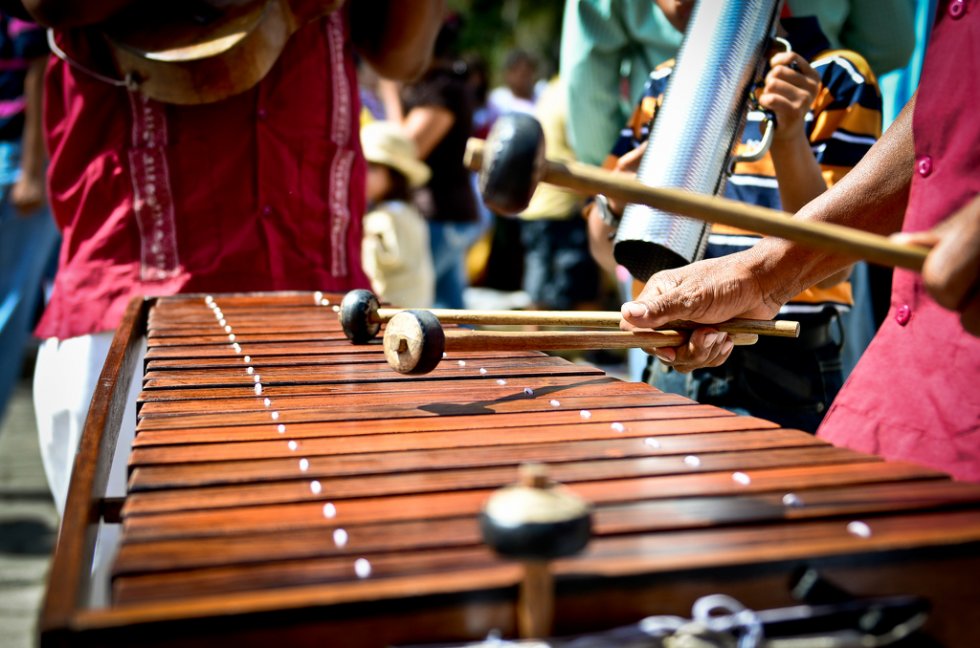
There are alternatives, such as the set of free and open licenses of Creative Commons, and a consciousness of supporting local artists by going to concerts and theatre shows. The Mexican Mariachi culture, or the Nicaraguan Marimberos are a very positive examples, as it praises the local artist that is providing high value cultural goods and gets rewarded with the money he or she needs for living. This is, as Larry Lessig, law professor in Berkeley and creator of the Creative Commons idea states, "a culture for the love of the culture and not just the money."
- Fifth article in my column "Brave new digital world" (Un mundo digital feliz) in the newspaper Confidencial.com.ni, where it has been published in Spanish language.
- Photo by Carlos Herrera/Confidencial
- Special thanks to Cinthia Membreño